 Skip to content
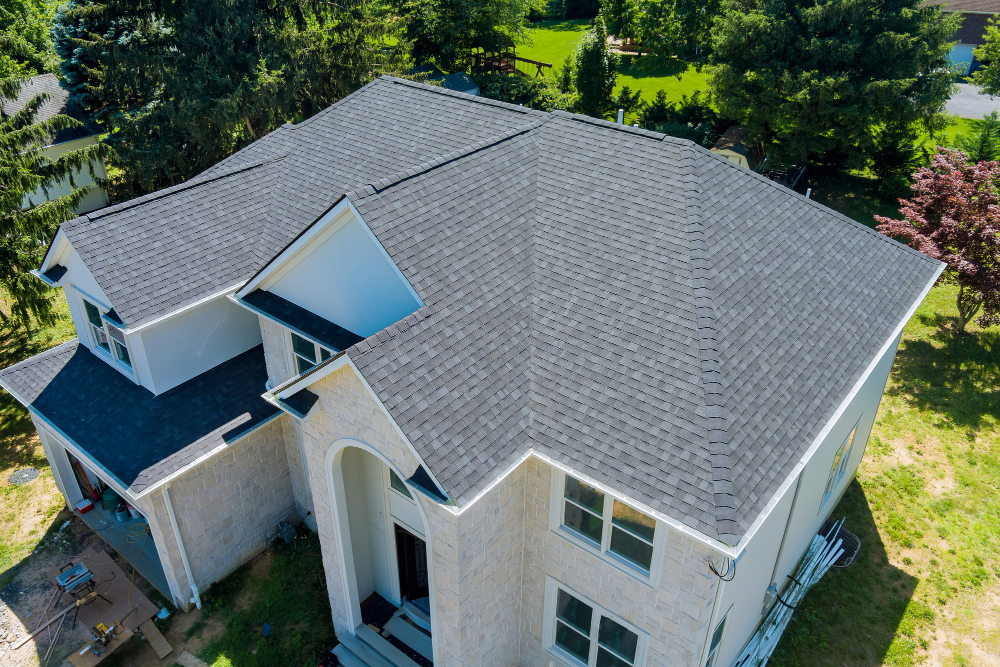
Deciding on a new roof involves more than just choosing a color. The investment can vary significantly based on several interconnected factors. Understanding these elements will help you anticipate costs and make informed decisions for your property. Whether you’re a homeowner or a business owner, a well-executed roofing project is a crucial investment in the longevity and protection of your structure.
Key points
- Roofing costs are primarily determined by material choice, roof complexity, and labor expenses.
- Premium materials like metal or slate are more expensive upfront but may offer long-term savings through increased durability.
- Complex roof designs with many angles, valleys, and features require more labor and specialized installation, increasing costs.
- Factor in the expense of removing and disposing of old roofing materials, as well as potential structural repairs to the roof deck.
- Always obtain detailed estimates that clearly outline all potential costs, including permits and any unexpected structural work.
Material Choices and Their Impact on Roofing Costs
The most significant driver of roofing cost is the material selected. Asphalt shingles are typically the most economical option, offering a wide range of styles and colors. However, they may have a shorter lifespan than other materials. For a longer-term investment, consider options like metal roofing, which can be more expensive upfront but offers excellent durability and longevity, often lasting 50 years or more. Other choices include tile, slate, and wood shakes, each with its own aesthetic appeal, durability, and associated price point. The weight of the material can also influence costs, as heavier materials may require additional structural support.
Complexity of the Roof Design
A simple, single-slope roof will invariably cost less than a complex multi-gabled roof with numerous valleys, dormers, and skylights. Each angle, seam, and transition point adds labor and material requirements. Cutting around obstacles like chimneys or vents also increases the time and precision needed from the roofing crew. Steeper pitches present additional safety challenges, often requiring specialized equipment and leading to higher labor charges. The more intricate the roof design, the more specialized skills and time are needed, directly impacting the overall price.
Labor and Installation Expenses
Labor is a substantial component of any roofing project. The cost is influenced by local wage rates, the skill and experience of the roofing crew, and the overall time required to complete the job. Experienced general contractors and roofing specialists may charge more, but their expertise often translates to higher quality workmanship and a more durable installation. Factors like the size of the roof, the chosen material, and the complexity of the installation all contribute to the total labor hours. It is essential to ensure that your chosen contractor is reputable and provides a clear breakdown of labor costs.
Existing Roof Removal and Disposal
If your project involves replacing an old roof, the cost of removing and disposing of the existing materials must be factored in. This process involves carefully stripping away old shingles, underlayment, and sometimes even damaged decking. The number of existing layers of shingles can affect the removal time and cost. Proper disposal of construction debris is also a necessary expense, often handled by the roofing company. Some older roofs may contain hazardous materials, such as asbestos, which would require specialized abatement procedures and add to the project’s expense.
Additional Factors Affecting Roofing Price
Beyond the primary elements, several other factors can influence your roofing budget. The need for structural repairs to the roof deck, such as replacing rotted wood, will add to the cost. The type of underlayment and flashing used, while seemingly minor, are critical for waterproofing and can vary in price. Local building codes and permit requirements also contribute to the final expense. Furthermore, the time of year can sometimes play a role; demand for roofing services can fluctuate, potentially impacting pricing. For larger projects, such as commercial remodeling or significant room additions, coordinating roofing work with other construction phases is also a consideration.
Common questions
What is the average cost of a new roof?
The average cost of a new roof can vary widely, typically ranging from a few thousand dollars for a small, simple asphalt shingle roof to tens of thousands for larger or more complex installations using premium materials like metal or slate. Specific pricing depends heavily on material choice, roof size and complexity, labor rates, and any necessary structural repairs.
Does the type of roofing material significantly change the price?
Yes, the type of roofing material is one of the most significant factors influencing cost. Asphalt shingles are generally the most budget-friendly, while metal, tile, slate, and wood shakes represent progressively higher upfront investments, though they often offer greater longevity and durability.
How does roof complexity affect the final cost?
A more complex roof design with multiple gables, valleys, dormers, and penetrations like chimneys or vents will increase costs due to the additional labor, materials, and time required for precise installation and sealing compared to a simple, single-slope roof.
Are there hidden costs I should be aware of?
Potential hidden costs can include the removal and disposal of multiple layers of old shingles, necessary repairs to the underlying roof deck (like replacing rotten wood), the need for specialized underlayment or flashing, and obtaining building permits. It’s wise to get a detailed estimate that accounts for these possibilities.
