 Skip to content
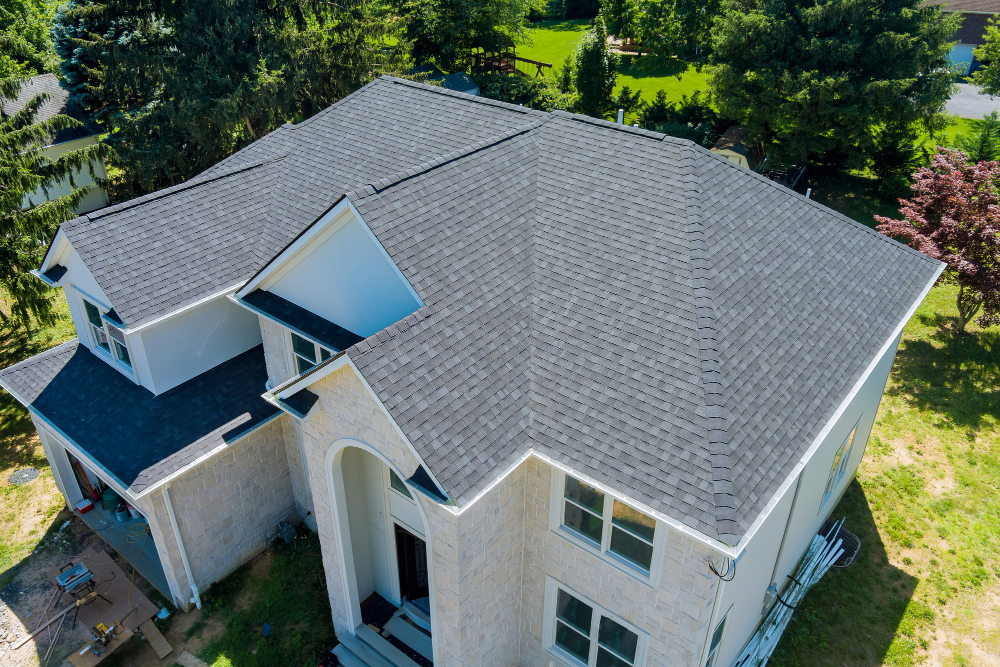
Deciding whether to repair or replace your roof can be a significant decision for any property owner. Understanding the signs that indicate a need for attention, and knowing the difference between a minor fix and a major overhaul, can save you time and money in the long run. This guide explores the key factors to consider when evaluating your roof’s condition.
Key points
- Assess the age and extent of damage to your roof.
- Minor issues can often be repaired, while widespread problems may require replacement.
- A full roof replacement offers long-term benefits and peace of mind.
- Consider roofing as part of larger remodeling projects like kitchen or bathroom updates.
- Proactive roofing maintenance and timely replacement protect your property’s value.
Assessing Roof Damage: Repair or Replace?
Identifying the extent of damage is the first step. Minor issues, such as a few missing shingles, small leaks, or damaged flashing around vents, can often be addressed with targeted repairs. These are typically less costly upfront and can extend the life of your existing roof. However, if damage is widespread, affects a significant portion of the roof, or if the roof is nearing the end of its lifespan, a full replacement becomes a more prudent option. Signs like extensive granule loss, sagging areas, or persistent leaks across multiple locations often point towards the need for a new roof. Considering the age of your roofing material is also crucial; most asphalt shingle roofs have a lifespan of 20-30 years, while other materials vary.
The Cost-Benefit Analysis of Roofing
While a repair might seem like the cheaper immediate solution, it’s important to consider the long-term implications. A patched roof may continue to develop new problems, leading to repeated repair costs that can eventually exceed the price of a new roof. A full roof replacement, though a larger initial investment, provides renewed protection, improved energy efficiency, and can increase your property’s value. It eliminates the worry of recurring minor issues and offers peace of mind for decades. For commercial properties, a reliable roof is essential for protecting inventory and operations, making a proactive replacement strategy often more beneficial than reactive repairs.
When to Consider a Full Roof Replacement
Several indicators suggest a full replacement is the best course of action. If your roof is over 20 years old and showing signs of wear, it’s likely nearing the end of its service life. Significant storm damage, such as widespread shingle uplift or damage from falling debris, often necessitates a complete overhaul. Visible signs of rot or mold in the attic or on the decking beneath the shingles are serious concerns that a simple repair cannot fix. Interior water damage, such as stained ceilings or walls, can also signal that the roofing system has failed and requires comprehensive replacement. For larger projects like commercial remodeling or significant home renovations, integrating a new roof system from the start ensures a solid foundation for the entire project.
Beyond the Roof: Related Home Improvements
While focusing on your roofing system, it’s also an opportune time to consider other related improvements. For homeowners planning kitchen remodeling or bathroom remodeling projects, ensuring the structural integrity and water-tightness of the roof above is paramount. A compromised roof can lead to water damage in newly renovated spaces. Similarly, for extensive commercial remodeling, a sound roofing system is a fundamental component of the building’s overall health and functionality. Addressing roofing needs proactively prevents costly damage to other parts of your property, whether it’s a residential kitchen or a commercial facility.
Common questions
How do I know if I need a roof repair or a full replacement?
You likely need a repair if you have a few isolated issues like missing shingles or a small leak in one area, and your roof is relatively new. A full replacement is generally needed if your roof is old, has widespread damage, shows signs of sagging, or has experienced significant storm impact.
What are the signs of a failing roof?
Signs of a failing roof include curling or cracked shingles, excessive granule loss in gutters, water stains on ceilings or walls, moss or algae growth, and sagging areas on the roofline.
Is it more cost-effective to repair or replace a roof?
While repairs are cheaper in the short term, a full replacement is often more cost-effective in the long run, especially for older roofs. A new roof eliminates the risk of recurring minor issues and provides lasting protection and potential increases in property value.
Can storm damage affect my decision to repair or replace?
Yes, significant storm damage, such as widespread shingle loss or structural compromise from high winds or hail, often necessitates a full roof replacement to ensure the home’s safety and integrity.
